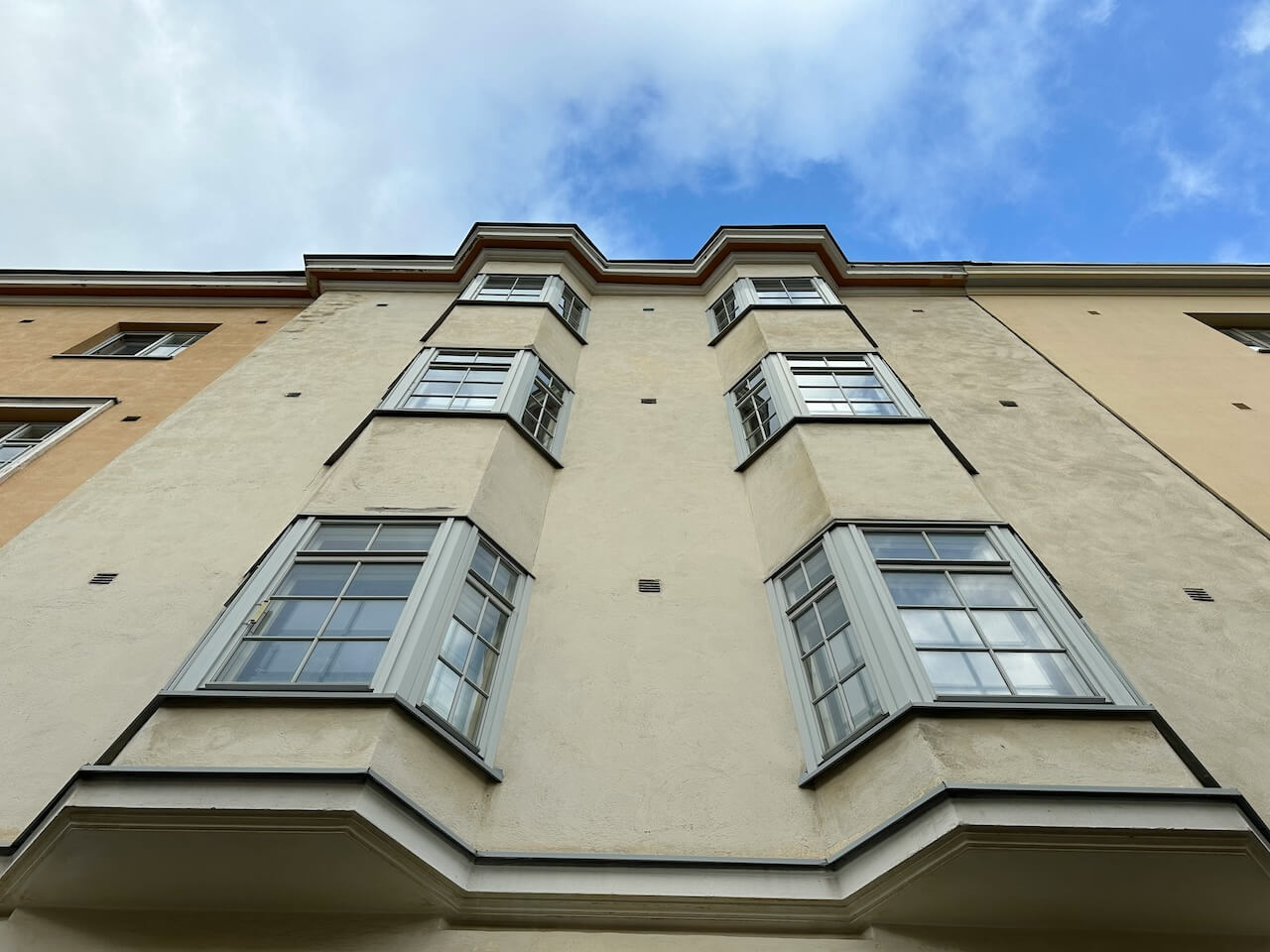
Older homes carry character that newer builds rarely match. Thick trim. Original floors. Thoughtful layouts. Alongside that charm often comes another reality. Drafts. Temperature swings. Rising utility costs. Windows usually sit at the center of that gap between charm and comfort.
Many homeowners hesitate to replace windows in older houses. Concerns range from cost to visual impact. Yet when viewed through a long term lens window replacement stands out as one of the most practical investments an owner can make. The benefits extend well past appearance.
Energy performance tells the clearest story. Older windows often lack proper sealing or insulation. Air slips through gaps that feel minor yet accumulate across seasons. Heating systems work longer. Cooling systems strain during warm months. Replacing aging windows tightens the building envelope and stabilizes indoor conditions. Comfort improves room by room rather than all at once.
Utility savings follow naturally. When indoor temperatures hold steady systems cycle less often. Reduced strain lowers monthly bills and extends equipment lifespan. Over time these savings offset installation costs in ways that short term comparisons overlook. The return arrives quietly through consistency rather than dramatic drops.
Maintenance reduction matters just as much. Older windows demand regular attention. Painted frames peel. Sashes stick. Hardware loosens. Repairs repeat. Modern replacements reduce this cycle. Materials resist moisture and wear. Operation remains smooth without constant adjustment. Time once spent on upkeep returns to the homeowner.
Noise reduction adds unexpected value. Many older homes sit in established neighborhoods where traffic patterns changed over decades. Newer windows dampen outside sound and restore interior calm. This improvement affects daily life more than many anticipate.
Resale considerations strengthen the case further. Buyers recognize window quality quickly. Drafts raise questions. Condensation signals inefficiency. Updated windows communicate care and foresight. They remove objections before negotiations begin. Homes that feel comfortable sell with greater confidence.
Historical integrity often raises concern. Replacement does not require sacrificing style. Many options respect original proportions and profiles. Thoughtful selection preserves visual character while improving performance. The house retains its identity while functioning better for modern living.
Security improves quietly. Older window locks reflect standards from another era. Newer systems offer tighter closure and stronger materials. Peace of mind grows without altering the look of the home.
Seasonal comfort shifts matter deeply in older houses. Rooms that once felt unusable during extreme weather become livable again. Sunrooms with bow and bay windows regain function. Square footage already owned begins working harder.
Investment decisions benefit from reliability. Window replacement delivers predictable results. Comfort improves. Costs stabilize. Maintenance declines. These outcomes remain tangible year after year. Few home projects deliver benefits so evenly across categories.
Timing influences value. Addressing windows before larger upgrades prevents inefficiency from undermining other improvements. Insulation heating systems and cooling upgrades perform best when windows support them. Sequence matters.
Older homes deserve thoughtful updates rather than patchwork fixes. Window replacement respects the past while supporting present needs. It strengthens comfort without erasing character. It improves efficiency without constant attention.
Viewed as an investment window replacement offers returns measured in comfort savings and confidence. For owners of older homes it represents one of the clearest paths toward long term value without compromise.