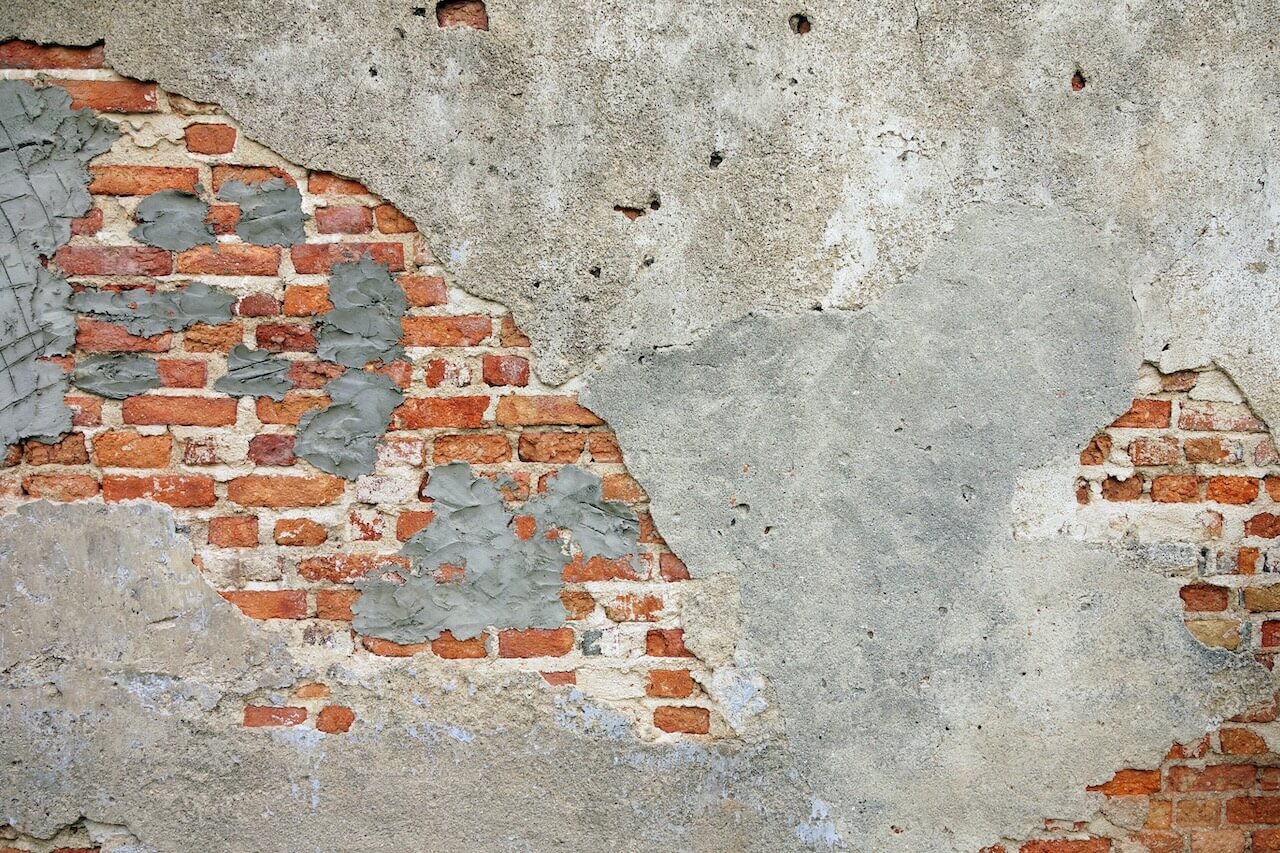
A home may appear solid and well-maintained on the surface while serious issues develop out of sight. Hidden damage often occurs behind walls, beneath floors, or above ceilings, making it difficult to detect early. Unlike major events such as flooding or structural failure, these problems tend to develop gradually. A small roof leak can introduce moisture during a storm. A slow plumbing issue may dampen framing over time. Humidity can settle into enclosed spaces, weakening materials long before visible signs like stains, odors, or soft spots appear.
As damage spreads, it rarely stays contained to one area. What begins as a minor water issue can extend into insulation, drywall, trim, subflooring, and even structural components. The visible damage is often only a small part of the overall problem. This can lead to confusion, especially during the insurance claims process, because the most significant impact may be hidden within the structure itself.
Early warning signs are often subtle and easy to overlook. Peeling paint, slight warping along baseboards, faint odors, or uneven flooring may not seem urgent at first. However, these indicators often point to underlying moisture or structural deterioration. Waiting until the issue becomes more obvious usually allows the damage to expand, leading to more complex repairs, higher costs, and longer recovery times.
Why Taking Action Early Is Critical
When hidden damage is suspected, the first step should be a thorough assessment. Identifying the origin of the issue, how far it has spread, and which materials are affected is essential for proper repair planning. This evaluation also plays a key role in documenting the situation for insurance purposes. Detailed records, including photos, inspection findings, moisture measurements, and a timeline of events, help establish the full scope of the damage and support the claims process.
Addressing hidden damage often involves more than surface-level fixes. Proper restoration may include drying, removing damaged materials, addressing odors, preventing mold growth, and rebuilding affected areas. Acting quickly helps limit further deterioration, reduces long-term repair costs, and gives property owners more control over the restoration process.
For a deeper understanding of where hidden damage can occur and how to recognize early warning signs, refer to the accompanying resource from Emergency Restoration Solutions, experts in water damage restoration in Athens, GA.
