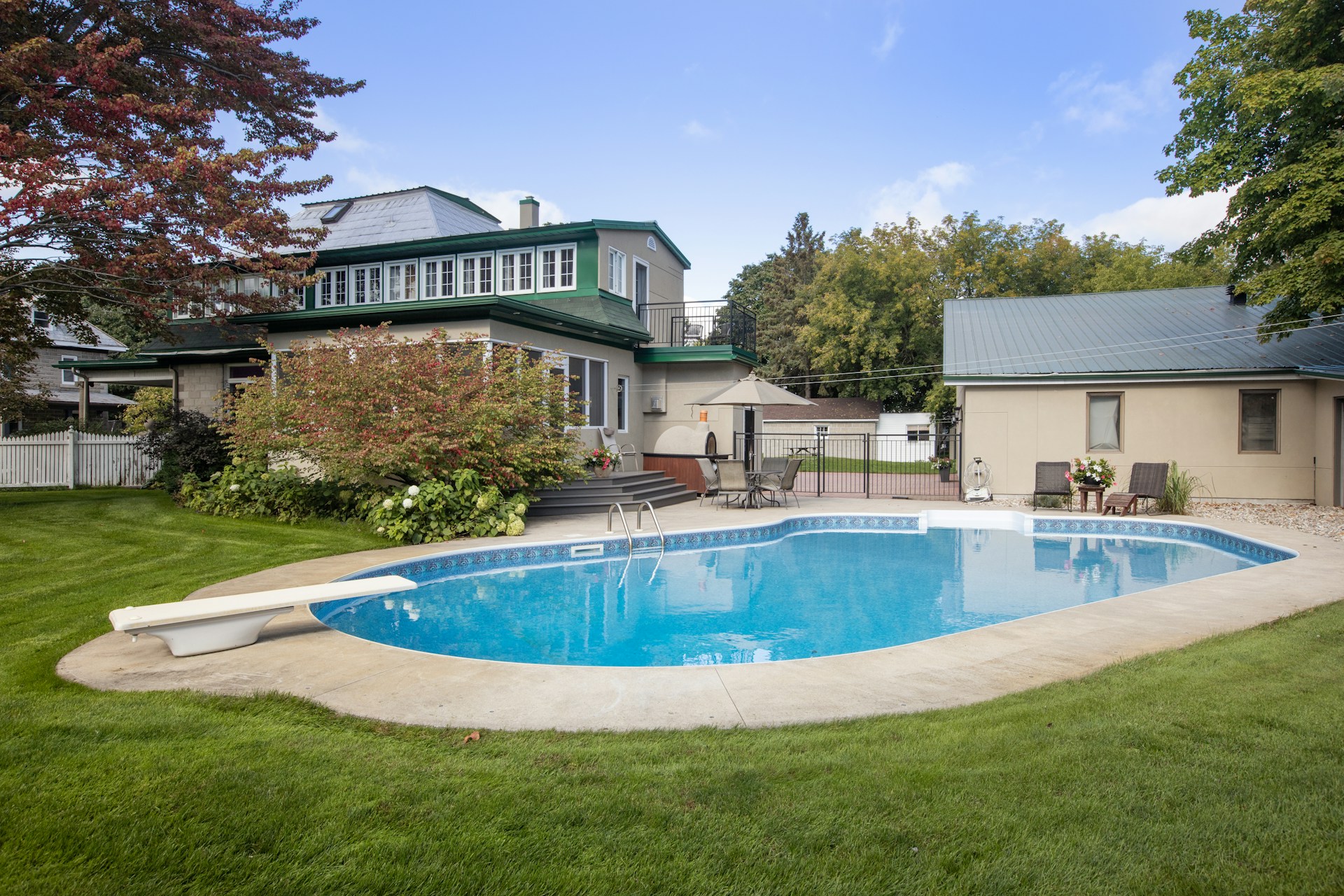
A backyard can be one of the most meaningful parts of a home, offering fresh air, sunlight, and a peaceful place to unwind. For older adults who plan to age in place, that outdoor space can continue to be a source of enjoyment—so long as it’s adapted with safety and accessibility in mind. With a few intentional updates, families can create an environment where seniors feel confident spending time outdoors.
Mobility naturally changes with age, which means features that once seemed harmless can become risky. A small dip in a walkway or a loose paver may not pose a problem for younger family members, but it can be a tripping hazard for someone with limited balance or reduced strength. Smoothing out transitions, leveling paths, and resurfacing patios can offer a major boost in safety. Comfortable seating options, especially those placed in shaded areas, encourage older adults to pause, rest, and enjoy their surroundings without strain.
Backyard pools and water features can also play a valuable role. Many seniors benefit from low-impact exercise, and a well-maintained pool provides an excellent opportunity for gentle movement. To keep the area safe, however, features like slip-resistant surfaces, sturdy handrails, and regular pool maintenance are essential. With proper care from trained pool servicing professionals, the pool becomes both a safe and therapeutic space.
Lighting is another critical element that shapes how and when seniors use their backyard. Early mornings, dusk, and nighttime all bring reduced visibility. Installing pathway lights, step lighting, or motion-triggered fixtures helps reduce falls and reassures older adults that the outdoor area is comfortable to navigate at any hour. Thoughtful lighting also enhances the overall ambiance, making the yard feel warm and inviting.
Maintaining a safe backyard is often a shared effort. Family members can support aging loved ones by tidying walkways, managing overgrown greenery, and arranging seasonal upkeep or professional pool service. These tasks may seem small, but together they create a safer, more accessible environment that benefits everyone.
The purpose of these updates isn’t to limit how the backyard is used, but to make it more supportive and functional for years to come. When safety features, smart design, and consistent maintenance come together, the backyard remains a cherished extension of the home—one that older adults can enjoy comfortably and confidently.
If you’d like more detailed ideas on adapting outdoor spaces for aging in place, the companion resource linked with this article offers additional guidance.
