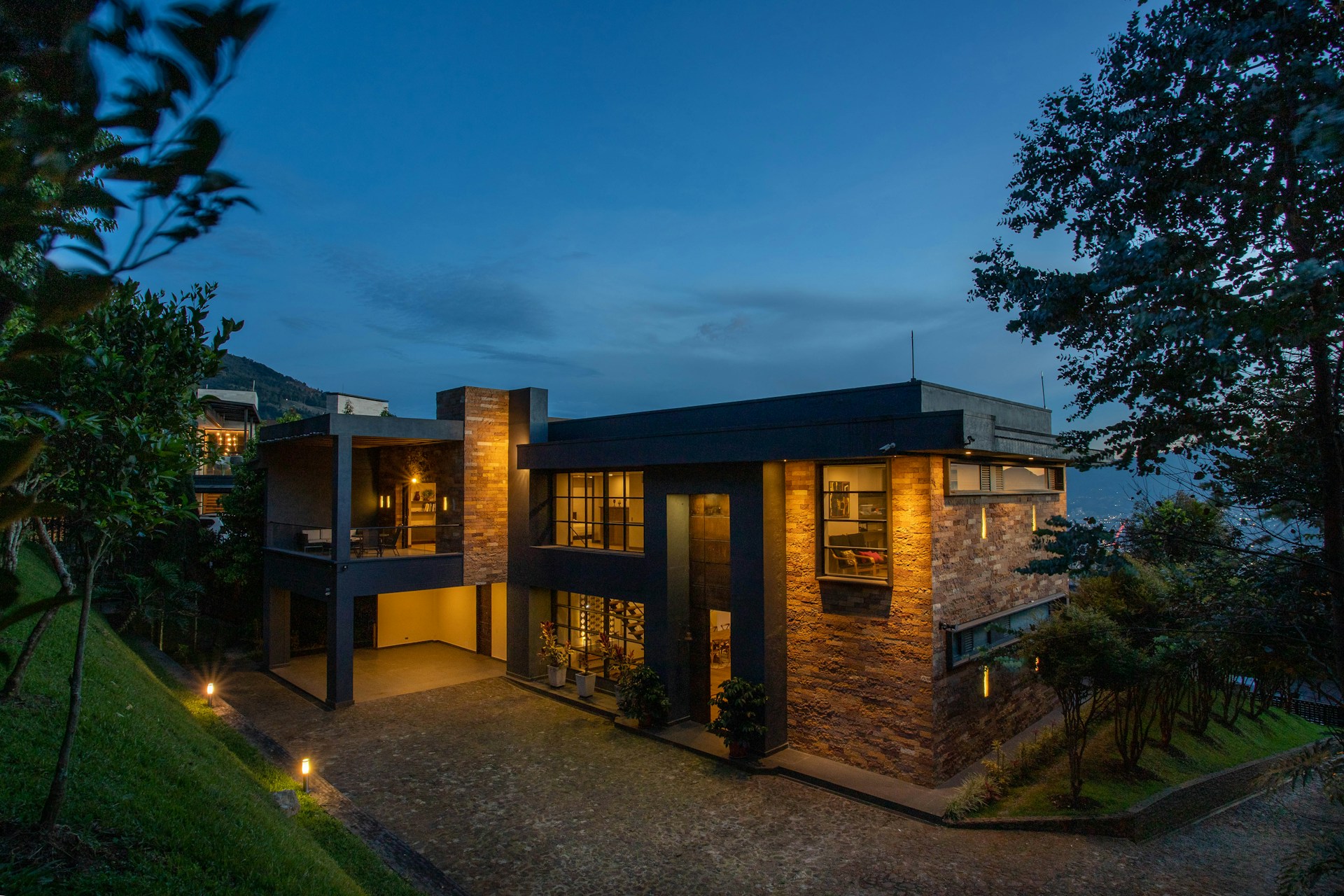
A well-designed home does more than look appealing. It supports comfort, balance, and a sense of ease that carries through everyday life. Biophilic touchpoints offer a simple way to achieve this by weaving natural elements into interior spaces in thoughtful, understated ways. These small design choices help a home feel alive, grounded, and welcoming rather than static or overly styled.
At its core, biophilic design draws inspiration from how people instinctively respond to nature. Natural light, organic textures, and living elements influence mood and energy in subtle but meaningful ways. When these elements are present indoors, they can create a calming atmosphere that encourages relaxation and presence. Even minimal additions such as a potted plant, a ceramic vessel, or a natural fiber textile can shift the feeling of a room and make it feel more balanced.
Material selection is one of the most effective ways to introduce biophilic touchpoints. Wood, stone, clay, and linen bring warmth and character that feel authentic and timeless. These materials often show natural variation in grain, color, or texture, which adds depth and interest without overwhelming the space. Repeating similar materials throughout the home helps create a sense of continuity, allowing each room to feel connected to the next rather than isolated.
Incorporating subtle movement also enhances the presence of nature indoors. The gentle motion of plant leaves, filtered sunlight shifting throughout the day, or the soft sound of water can bring a quiet sense of vitality to a space. These elements soften hard architectural lines and add a layer of comfort that feels both soothing and engaging. Movement, even when barely noticeable, helps spaces feel more dynamic and lived in.
The way a home is arranged also plays a role in strengthening this connection. Open sightlines, intentional transitions, and views toward outdoor spaces help blur the boundary between inside and out. Adding natural accents in entryways, hallways, or other in-between spaces ensures that the sense of connection carries throughout the home rather than being limited to a single room.
Color choices further reinforce biophilic design. Soft neutrals, warm wood tones, gentle greens, and earth-inspired hues create a sense of stability and calm. These colors work best when layered with natural textures and light, creating an environment that feels relaxed yet refined.
When approached with intention, biophilic touchpoints enhance more than the visual appeal of a home. They support well-being, encourage mindfulness, and create spaces that feel restorative and personal. By bringing small elements of nature indoors, homeowners can create environments that feel comforting, connected, and quietly energizing.
To explore more ideas for incorporating biophilic touchpoints into your living spaces, refer to the accompanying resource from JS Homes, providing new construction homes in Smyrna, Delaware.
